Communication in Emergency Care
Learn how communication doesn’t stop after the emergency—it continues through detailed documentation.
Writing & Reports
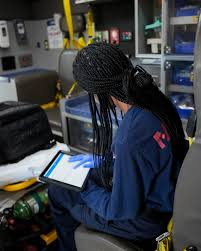
After every call, EMTs have to write a Patient Care Report (PCR). The most important part is the narrative, where they describe exactly what happened.
Leon explained that these reports have to be extremely detailed—as if they could be used in court. That means EMTs need strong writing skills, even after stressful situations.
Speaking & Patient Interaction
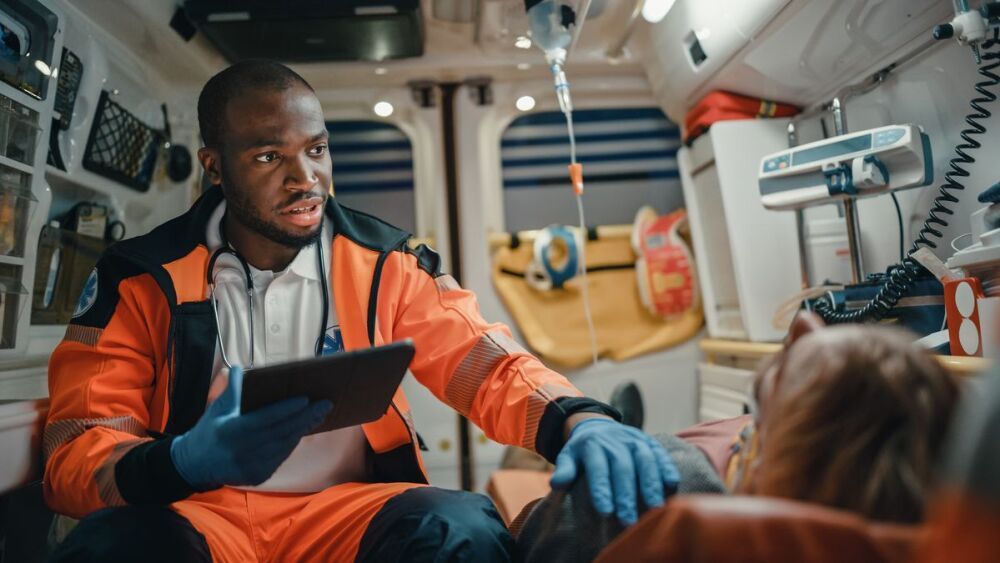
Communication changes depending on who EMTs are talking to.
- With patients → simple, clear language
- With hospitals → medical terminology and detailed updates
EMTs can’t diagnose patients, so they have to be careful with their words and always recommend further care when needed.
Technology & Tools
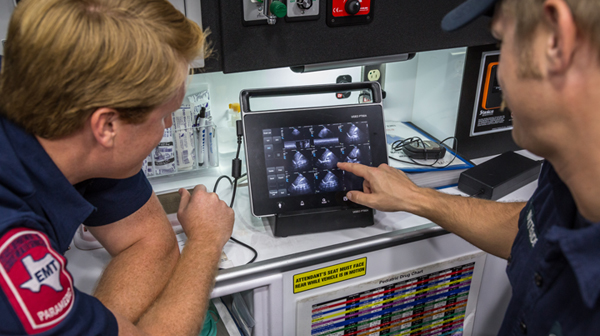
EMTs also rely on:
- iPads for navigation and call info
- Department guidelines (protocols)
- Digital systems for reports
These tools help them make quick and accurate decisions.
Accuracy Matters
To make sure reports are correct, EMTs often review them with their team. Having multiple people involved helps catch mistakes and improves accuracy.
-
“The narrative needs to be very descriptive—as if it’s going to court.” - Francisco Leon
Create Your Own Website With Webador